Termite Control · Odessa, TX
Termite Control in Odessa, TX
Yes, dry West Texas has termites. We find the mud tubes, show you the damage risk and treat your home with a liquid barrier, bait stations or both, backed by a written warranty.
- Same Day Service Available
- Free inspection
- Odessa · Midland · Ector County
Quick answer
Termite control in Odessa starts with a full inspection of your slab, walls and wood. Then we treat with a liquid termiticide in the soil, termite bait stations or a mix. A liquid job usually takes one day. Baits take longer to work but keep protecting while the service plan stays active.
Do Termites Really Live in Odessa?
They do. Odessa gets about 12 inches of rain a year, but termites do not need a wet climate. They need damp soil and wood. Slabs, sprinkler lines, leaky faucets and flower beds give them both.
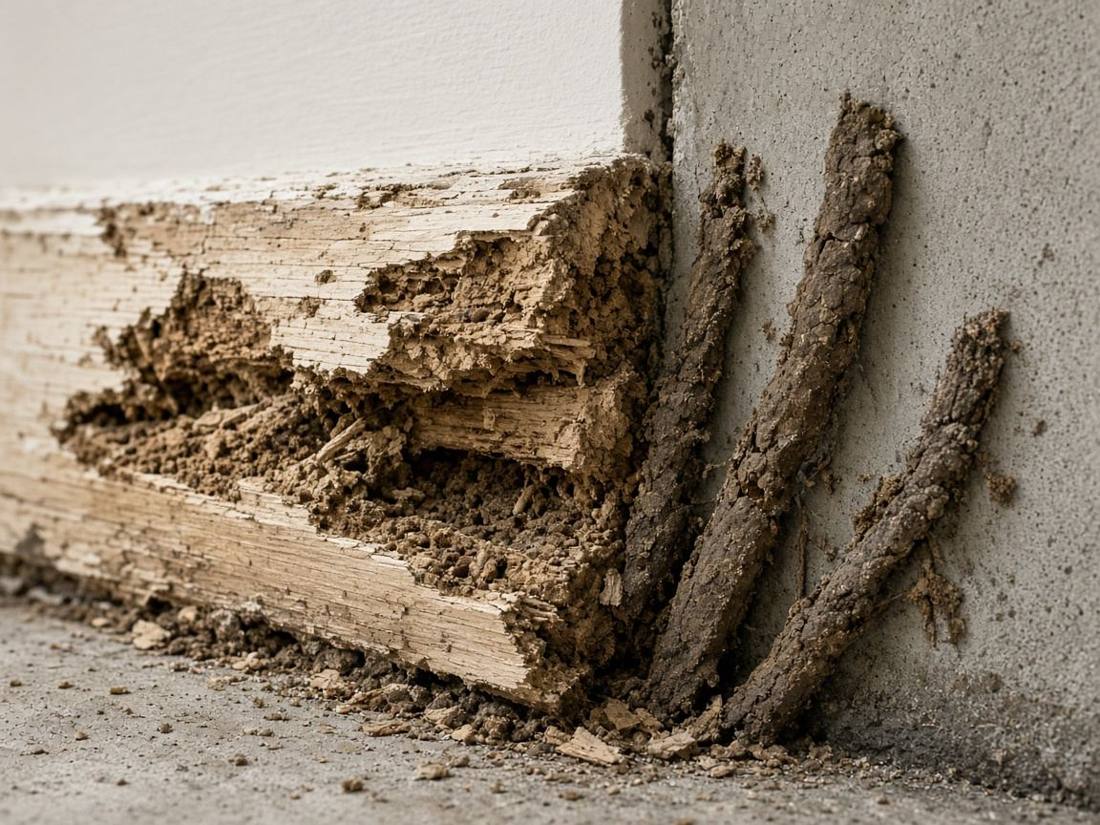
The termites that eat Basin homes are native subterranean termites, in the genus Reticulitermes. Texas A&M AgriLife calls them the most common termite pests in Texas. They live in colonies in the soil. Workers tunnel up to your house through mud tubes and feed on wood from the inside out.
AgriLife says termites cost Texas homeowners hundreds of millions of dollars a year, and most damage stays hidden behind drywall and trim.
You may hear about Formosan termites on TV. AgriLife says they are mostly a problem on the upper Gulf Coast. Most Odessa homeowners do not need a plan built around them.
Signs of Termites in Your Home
Check for these, especially along the slab and in garages:
- Mud tubes: pencil wide tunnels of dirt running up the foundation, walls or pipes.
- Swarmers: dark brown to black winged insects about ⅜ inch long, often near windows. In Texas, swarms are most common from February to May.
- Shed wings: small piles of wings on sills, floors or in spider webs.
- Damaged wood: baseboards or door frames that sound hollow or crumble when pressed.
Swarmer or flying ant? Termites have a straight waist and wings of equal length. Ants have a pinched waist and longer front wings. If you find tubes, leave part of them in place so our inspector can see them.
Why Termite Damage Is a Big Risk
Termites work slowly and quietly. By the time you see damage, a colony may have fed for years. Termites in a fence or wood pile do not always mean your house is infested, AgriLife notes, but they are close. That is the time to inspect.
Damage to sill plates, door frames and wall studs can turn into big repair bills. It can also slow down a home sale. If you are buying or selling, see our real estate termite inspection page.
Termite Treatment Options We Use
There are two main ways to treat. We explain both and let you choose.
Liquid Soil Treatment
We apply a liquid termiticide to the soil along the foundation and at plumbing and slab gaps where termites enter. This creates a treated zone they cannot pass safely.
AgriLife tests found that registered termiticides last about four to ten years in the soil. Non repellent products like fipronil and imidacloprid tend to work better in the alkaline soils common in Texas, because termites cannot sense them and carry the product back to the colony.
Good fit if: you want fast results and protection that does not depend on monthly service.
Termite Bait Stations
Termite bait stations go in the ground around your home. Each one holds a cellulose bait mixed with a slow acting growth regulator. Worker termites feed on it and share it with the colony, which slowly fails.
AgriLife says baits use small amounts of product and are often seen as the gentlest option. They take longer to work, and protection lasts only while the stations are checked and kept up.
Good fit if: you want the least product used.
Combined Plans and Spot Work
Some homes get liquid where termites are active plus stations around the rest. AgriLife warns that spot treatments alone often miss other entry points, so we explain any warranty limits in writing.
New Construction Pretreatment
Building in Ector County or Midland? We treat the soil before the slab is poured. Texas rules require a notice for these jobs, and we handle that paperwork [confirm service offered].
Our Termite Control Process
- Inspect: we check the slab edge, garage, bath traps, attic and outside walls. You get a diagram of what we find.
- Explain: we show you the activity, the risk areas and your options.
- Quote: you get a written price and the warranty terms before any work.
- Treat: we apply the liquid or install stations by the label.
- Follow up: we come back for checks under your plan [confirm schedule].
How Long Does Termite Treatment Take?
A liquid treatment for an average Odessa home takes about [confirm time], and you can stay in the house in most cases. AgriLife advises that children and pregnant women leave during the job and that the home be aired out for one to two hours afterward. Bait stations go in within [confirm time], but it can take weeks or months before termites find and feed on them.
Termite Treatment Cost in Odessa
Cost depends on the size of the slab, the method, how much drilling is needed and the warranty you pick. AgriLife suggests that yearly warranty renewals should not cost more than 20 percent of the first treatment.
| Service | Price range |
|---|---|
| Termite inspection (not for a home sale) | Free [confirm] |
| Liquid soil treatment, full home | $[Price] to $[Price] |
| Termite bait station install | $[Price] to $[Price] |
| Bait station yearly monitoring | $[Price] per year |
| Spot treatment | $[Price] to $[Price] |
| Warranty renewal | $[Price] per year |
For other services, see our Odessa pest control pricing page.
Is Termite Treatment Safe?
When applied the right way, yes. AgriLife says your chance of being exposed after a termite job is lower than after a spray for roaches or fleas, because the product goes into the soil, not on indoor surfaces. We follow the EPA label on every product, and Texas requires termite work to be done under a Texas Department of Agriculture license in the termite category.
How to Prevent Termites in West Texas
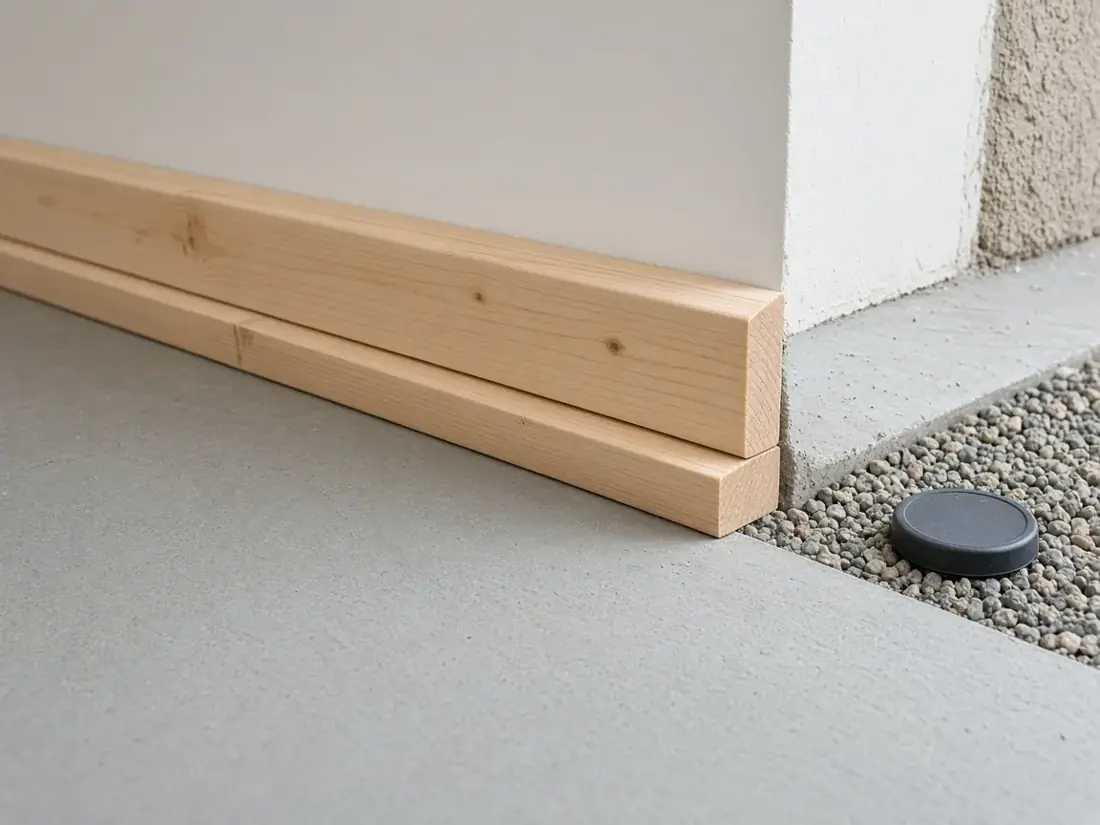
- Keep wood, mulch and soil from touching your siding. Leave a gap above the slab.
- Store firewood and lumber off the ground and away from the house.
- Fix leaks at outdoor faucets, AC lines and sprinklers.
- Get a yearly inspection, mostly in spring when swarms are common.
Ants also come up through slab gaps. See our ant control page or our Odessa pest control home page.
Termite FAQs
Are termites common in Odessa?
Yes. Native subterranean termites live in the soil across Texas, including the Permian Basin. Our dry climate slows them down, but watered lawns, flower beds and plumbing leaks give them the damp soil they need. Many Odessa yards have termites somewhere, so regular checks of the slab and garage are a smart habit.
Which is better, liquid treatment or termite bait stations?
Both work when done right. A liquid soil treatment acts fast and protects for years without monthly checks. Bait stations use less product and wipe out colonies over time, but they must be kept up to keep protecting. We look at your home, then explain which fits your budget and goals.
Can I do termite control myself?
Small jobs like a fence post or wood pile, maybe. A house is different. AgriLife says it nearly always takes a pro with the right tools to treat a home well, and its tests could not show that store bought termite baits work. A failed home job can mean costly damage later.
What do termite swarmers look like?
They are dark brown to black, about ⅜ inch long, with four wings of equal length and a straight waist. They often show up near windows and lights in spring. Finding swarmers inside your home is a strong sign of an active colony, so call for an inspection soon.
Do I need Formosan termite coverage in West Texas?
Most likely not. Texas A&M AgriLife says Formosan termites are mainly found in a few upper Gulf Coast areas. For most Texas homeowners, a warranty that covers them is not needed. Odessa and Midland homes face native subterranean termites, and our plans are built around those.
How long does a termite treatment last?
Texas A&M tests show registered liquid termiticides last about four to ten years in the soil. Bait stations protect only while they are checked and refilled. Your warranty spells out how long we will come back at no extra charge, so read it closely and ask about renewals.
Before & After
Before & After
Same Day Service Available
Get Your Termite Inspection
Found mud tubes or winged bugs by the window? Call Odessa Pest Control at [Phone] or schedule a free termite check. We will show you what we find and give you a written plan and price.
Odessa Pest Control connects you with an independent local pest control operator.
More services
Other pest control services in Odessa
Scorpion Control
Striped bark scorpions, weep holes, attics
Termite Inspection
Texas WDI report for home sales
Bed Bug Treatment
Homes, apartments and man camps
Roach Control
German and American cockroaches
Rodent Control
Mice and rats, exclusion and bait stations
Ant & Fire Ant Control
Two Step Method for fire ants
Residential
Owners, renters and landlords
Commercial
Oilfield yards, restaurants, apartments
Sources
- Texas A&M AgriLife Extension, Frequently Asked Questions About Subterranean Termite Control: https://citybugs.tamu.edu/factsheets/household/termites/ent-2002/
- Texas A&M AgriLife Extension, Subterranean Termites: https://www-aes.tamu.edu/files/2010/05/SubterraneanTermites.pdf
- Texas Department of Agriculture, Structural Pest Control Service: https://www.texasagriculture.gov/Regulatory-Programs/Pesticides/Structural-Pest-Control-Service
- NOAA NCEI, US Climate Normals 1991 to 2020: https://www.ncei.noaa.gov/access/us-climate-normals/